
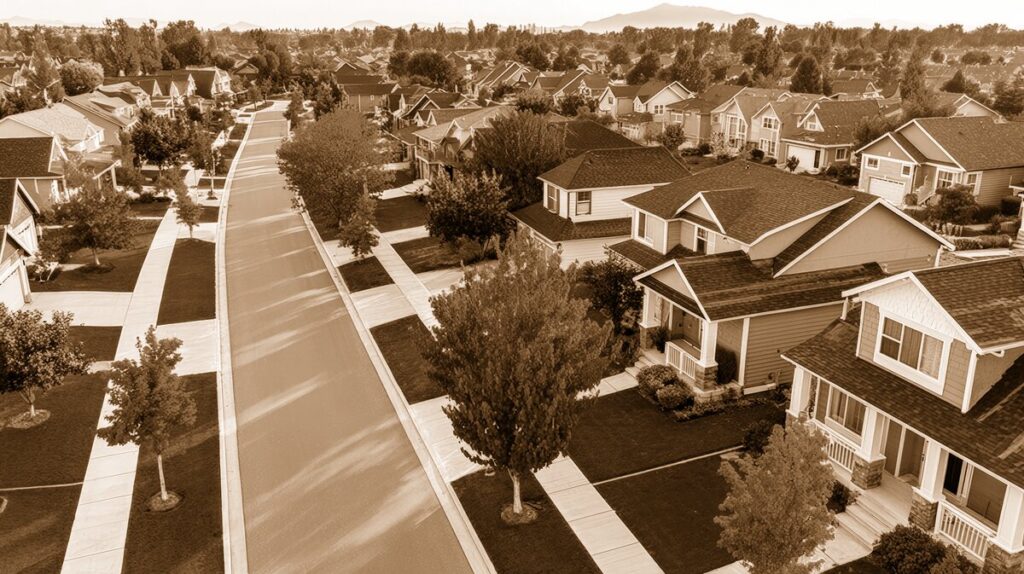
Nestled in the eastern edge of Columbia, South Carolina, Woodfield Park stands as a testament to the city’s residential evolution, brimming with charm, history, and community spirit. Decades after its creation, Woodfield Park remains a vibrant neighborhood where the warmth of the people is as enduring as the shady canopies of its mature trees. For those curious about what makes Woodfield Park special, a journey through its origins and milestones offers a deeper appreciation of this beloved corner of Columbia.
The Origins of Woodfield Park
Woodfield Park’s history traces back to the rapid post-World War II suburban expansion that swept across the United States. By the late 1950s and early 1960s, Columbia was growing outward at a steady pace, and developers eyed the gently rolling woodlands east of the city as an ideal spot for family-friendly communities. The neighborhood took its place just northeast of Forest Acres, bordered primarily by Percival Road to the south, Decker Boulevard to the west, and O’Neil Court to the north.
But why “Woodfield Park”? The name itself is a nod to the landscape that originally defined the area—dense pines and hardwoods that covered the gently sloping land, forming a field-like buffer between city and countryside. Developers wanted to evoke a sense of tranquility and nature, blending the idea of “wooded fields” with the promise of parks and green spaces that would make the new suburb appealing for young families.
Key Historical Milestones
From its earliest days, Woodfield Park distinguished itself as a place designed for modern, comfortable living. Some major milestones include:
- 1960s – Founding and Early Growth: Streets like Brookfield Road, Lygon Drive, and Pine Belt Road saw the first houses spring up, featuring ranch and split-level designs typical of the era. The layout was planned with meandering residential streets, creating a calm, safe environment for children to play.
- 1970s – Educational Anchors: The development of nearby schools, most notably Woodfield Elementary and Dent Middle School, solidified the neighborhood’s family-friendly reputation. The close proximity to institutions like Richland Northeast High School further anchored the community. Parents could rest easy knowing high-quality education was never far from home.
- 1980s – Community Amenities: As the community matured, residents advocated for more public spaces and amenities. Woodfield Park became known for its neighborhood parks and gathering spots—places like Woodfield Community Center on Hallbrook Drive, where social events, sports, and civic meetings became a way of life.
- 1990s and Onward – Diversity and Adaptation: As the Columbia area diversified, so too did Woodfield Park. Families from different backgrounds brought new traditions, cuisines, and culture, enriching the neighborhood’s social fabric. Smaller businesses opened along Decker Boulevard, introducing a dynamic mix of eateries and shops.
Notable Landmarks and Institutions
While Woodfield Park is primarily residential, several institutions and landmarks shape its unique character:
- Woodfield Community Center: For decades, the community center has been the heartbeat of the neighborhood. Located off Hallbrook Drive, it hosts everything from nightly basketball games to community holiday celebrations and local votes.
- Woodfield Elementary School: More than just a place of learning, the elementary school is a hub of activity, drawing families together for festivals, concerts, and PTA gatherings. Generations of children have begun their academic journeys here, forming lifelong friendships in its halls.
- Nearby Churches: Institutions like Northminster Presbyterian Church and St. Luke’s Lutheran play vital roles, offering social support and outreach in addition to spiritual guidance.
- Street Names with a Story: Many streets—Brookfield, Lanham, and Westfield—bear the “field” suffix, an homage to the area’s original vision. Each street has its own subtle character, from mature tree-lined lanes to wider boulevards.
How Woodfield Park Has Evolved
Woodfield Park has seen profound changes, yet certain constants remain. As some original homeowners watched their children grow up and move away, younger families found Woodfield Park’s affordability and neighborly feel irresistible. Renovations are common, with 1960s-era homes receiving loving updates while retaining signature features like brick exteriors, hardwood floors, and sprawling front yards.
The neighborhood has also adapted to Columbia’s ongoing growth. While major thoroughfares like Decker Boulevard are busier than in decades past, the heart of Woodfield Park remains quiet and secure, with block parties and neighborhood watch programs reinforcing a sense of unity.
Old growth trees, maintained parks, and the steadfast presence of key institutions remind newcomers and lifelong residents alike of what drew people here in the first place.
What Makes Woodfield Park Special Today
Ask any longtime Woodfield Park resident what makes the neighborhood shine, and the answer is likely simple: the people. Here, newcomers are greeted by neighbors who share gardening tips, keep an eye on each other’s homes, and host impromptu cookouts as the sun sets over Pine Belt Road. There’s a strong tradition of volunteerism, with many residents contributing to local schools or organizing food drives for those in need.
The neighborhood’s layout encourages interaction, with winding roads and few through-streets. Kids ride bicycles along Brookfield Road. Dog walkers exchange stories under towering oaks. Annual events, such as the Woodfield Fall Festival or summer movie nights at the community center, are eagerly anticipated.
Woodfield Park’s location is equally unbeatable—minutes from downtown Columbia, close to major employers at Fort Jackson, and a stone’s throw from amenities at Sesquicentennial State Park for hiking and family outings.
Preserving the Heritage
While the city around it grows and changes, Woodfield Park’s heritage endures in small but meaningful ways:
- The continued upkeep of older homes by owners proud of their mid-century roots.
- A thriving local school system that remains central to neighborhood life.
- A commitment to green spaces, ensuring that “Woodfield” isn’t just a name but a living description.
Conclusion
The story of Woodfield Park is one of history in motion—a neighborhood that honors its wooded origins and family-centric design while embracing the diversity and dynamism of modern Columbia. With each year, new memories are made, but its sense of place endures. Whether you’re a visitor, a new resident, or a family that has called this community home for generations, Woodfield Park offers a unique slice of Columbia’s past and present, wrapped in the warmth that only a true neighborhood can provide.